
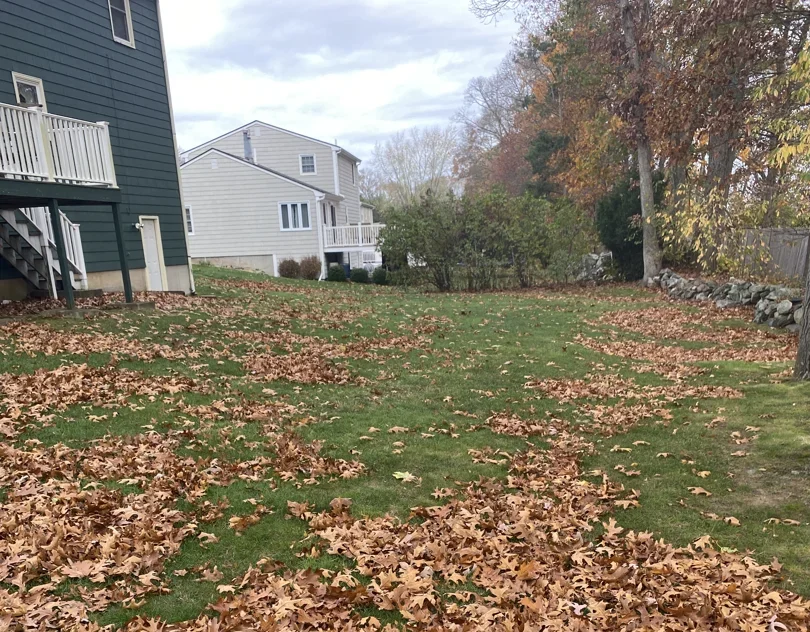
Why Cleaning Your Yard Is Worth Every Minute
Cleaning your yard doesn’t have to be overwhelming — but knowing where to start makes all the difference.
Here’s the short version of what a complete yard cleanup involves:
- Clear debris — leaves, branches, trash, and clutter
- Clean hard surfaces — patios, decks, driveways, and walkways
- Mow, edge, and care for your lawn — including aeration and weeding
- Prune trees and shrubs — remove dead or overgrown growth
- Refresh garden beds — weed, compost, and mulch
- Clean outdoor furniture and fixtures — grills, fire pits, lighting
- Inspect and repair structures — fences, sheds, gutters, and drainage
Your yard is more than just grass and dirt. It’s an extension of your home — a place to relax, host friends, and enjoy the outdoors. But without regular upkeep, it can quickly become a source of stress rather than a sanctuary.
The numbers back this up. The average homeowner spends about 70 hours per year on lawn upkeep — nearly three full workdays. That’s a serious time investment, and doing it right matters just as much as doing it at all.
A neglected yard doesn’t just look bad. Piled-up debris can harbor pests, promote mold and fungal disease, damage your lawn’s root system, and even affect your home’s foundation if drainage suffers. On the flip side, a well-maintained yard boosts curb appeal and can meaningfully increase your property’s value.
Essential Tools and Safety for Cleaning Your Yard
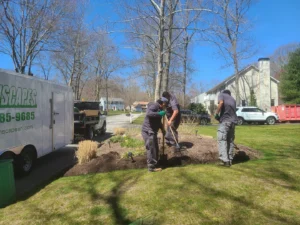
Before we start tossing leaves and scrubbing stone, we need to talk about preparation. We’ve seen many enthusiastic DIYers jump straight into cleaning your yard only to end up with a nasty case of poison ivy or a sore back because they didn’t have the right gear.
Safety isn’t just a buzzword; it’s the foundation of a successful cleanup. Checking for hazards like sharp debris, pests, or unstable items is the very first thing you should do. In Rhode Island, we also have to be particularly mindful of deer ticks, which can carry Lyme disease. Wearing long sleeves, pants, and using a repellent is a smart move before you head into the tall grass.
Must-Have Supplies for Cleaning Your Yard
To do the job right, you need more than just a rusty rake from the back of the shed. Here is our list of essential supplies:
- Rakes: You’ll want a sturdy leaf rake for the big piles and a metal garden rake for leveling soil or moving mulch.
- Leaf Blower or Lawn Sweeper: If you have a large property, a lawn sweeper can significantly speed up debris collection compared to manual raking.
- Pressure Washer: Essential for bringing patios and walkways back to life.
- Pruning Shears and Loppers: For those overgrown shrubs and low-hanging branches.
- Heavy-Duty Trash Bags and Lawn Waste Bags: Make sure you have plenty on hand so you don’t have to stop mid-task.
- Eco-Friendly Cleaners: We always recommend organic, biodegradable cleaners for outdoor surfaces to protect your plants and local groundwater.
Having the right tools is half the battle, but if you find the equipment list growing too long or too expensive, you can always look into professional lawn and landscape care to handle the heavy lifting.
Pre-Cleanup Safety Inspection
Before you start the actual work, take 15 minutes to walk your property. Look for:
- Standing Water: This is a breeding ground for mosquitoes. Note these areas so you can address drainage issues later.
- Pest Nests: Keep an eye out for wasp nests or rodent burrows.
- Loose Boards: Check your deck or fence for protruding nails or rotted wood that could cause a trip or injury.
- Tool Maintenance: Ensure your mower blades are sharp. A dull blade tears the grass rather than cutting it, which can lead to lawn diseases like snow mold.
A Step-by-Step Guide to Clearing Debris and Clutter
The first real phase of cleaning your yard is the “great clearing.” This is where the visual transformation begins. We recommend a systematic approach: start from the perimeter and work your way in toward the house.
Effective Leaf and Branch Removal
In Rhode Island, our autumns are beautiful, but they leave behind a massive amount of organic matter. While it’s tempting to leave all the leaves for “mulch,” thick layers can actually suffocate your grass and trap moisture, leading to fungal issues.
However, we believe in a balanced approach. You don’t need to pick up every single leaf as if you’re entering a beauty pageant. Thin layers of leaves can be chopped up with a mulching mower. These clippings are 90% water and can return up to 25% of essential nutrients back into the soil.
For larger branches, use your loppers to prune them. A key expert tip: always cut at a 45-degree angle sloping away from the trunk. This prevents water from sitting on the cut, which reduces the risk of rot and disease. For more tips on managing your outdoor environment sustainably, check out the Around the Yard | Rhode Island Department of Environmental Management guidelines.
Proper Disposal and Recycling
Once you’ve gathered your debris, you need to get rid of it. Sorting is your best friend here. Create four piles:
- Compost: Grass clippings, small leaves, and non-diseased plant matter.
- Municipal Pickup: Large branches and bagged leaves (check your local RI town schedule!).
- Trash: Non-organic debris, old toys, or broken garden ornaments.
- Donations: Gently used outdoor furniture or tools you no longer need.
Never compost diseased plants or invasive species, as the heat of a home compost pile often isn’t high enough to kill off the pathogens or seeds. If the volume of waste is more than you can handle, our services include comprehensive debris haul-away to keep your weekends free.
Restoring Hard Surfaces and Outdoor Structures
Now that the clutter is gone, it’s time to focus on the “bones” of your yard: the patios, decks, and walkways. These surfaces take a beating from the New England weather, especially with the salt and ice we deal with in the winter.
Maintaining Furniture and Fixtures During Cleaning
Your outdoor living space isn’t complete without clean furniture. Use a mild, eco-friendly soap and a soft brush to scrub down chairs and tables. For cushions, check the tags—many can be hosed off or even machine-washed.
Don’t forget the grill! A degreaser and a wire brush will get it ready for those summer cookouts. We also recommend checking your fire pits and lighting fixtures. Clean the glass on your lanterns and replace any burnt-out bulbs to ensure your “sanctuary” is ready for evening relaxation. If you’re looking to upgrade these areas, our landscape construction team specializes in creating durable, beautiful outdoor structures.
Inspecting and Repairing Structures
A thorough cleanup is the perfect time to play detective. Check your fence for leaning posts or rusted hinges. Look at your shed—does it need a fresh coat of stain or a new shingle?
One of the most critical (and often overlooked) tasks is gutter cleaning. Clogged gutters can cause water to overflow and pool at your home’s foundation, leading to expensive structural damage. Clearing them out during your spring or fall cleanup is a non-negotiable step for protecting your property.
Professional Lawn Care and Garden Bed Refresh
With the surfaces clean, we turn our attention to the living elements. This is where you move from “clean” to “masterpiece.”
Pruning and Vegetation Control
Pruning is both an art and a science. The goal is to remove dead, damaged, or diseased wood to allow the plant to focus its energy on new, healthy growth.
- Summer-flowering shrubs (like Butterfly Bush) should be pruned in late winter or early spring.
- Spring-flowering shrubs (like Lilacs or Forsythia) should be pruned after they finish blooming so you don’t cut off this year’s flowers.
When weeding your garden beds, be sure to pull the entire root. If you leave a piece behind, it will be back before you can say “dandelion.” Once the beds are clear, we recommend adding 2 to 3 inches of mulch. This isn’t just for looks—mulch suppresses weeds and helps the soil retain moisture during those hot July days. As a leading RI landscape company, we always prioritize organic mulch for its soil-building properties.
| Mulch Type | Pros | Cons |
|---|---|---|
| Organic (Bark/Wood Chips) | Adds nutrients, improves soil, looks natural | Decomposes over time, needs yearly refresh |
| Inorganic (Stone/Rubber) | Permanent, doesn’t blow away, low maintenance | Doesn’t improve soil, can get very hot |
| Compost | Best for plant health, rich in nutrients | Can have a strong odor, doesn’t block weeds as well |
Soil Health: Aeration and Fertilization
If your soil feels hard or you see water pooling after a rainstorm, your lawn is likely compacted. Aeration—the process of pulling small plugs of soil out of the ground—allows air, water, and nutrients to reach the roots. Think of it as “uncorking” your yard.
After aerating, it’s the perfect time to overseed bare patches and apply a slow-release fertilizer. This ensures your lawn has the “food” it needs to grow thick and lush, which is the best natural defense against weeds. Don’t forget to check your irrigation systems to ensure every corner of your lawn gets the inch of water it needs per week.
Seasonal Strategies and Eco-Friendly Practices
In Rhode Island, our maintenance needs change with the seasons. We are currently in spring 2026, which means it is prime time for spring cleanup.
Sustainable Yard Maintenance
We are big believers in working with nature, not against it. Here are a few ways we incorporate eco-friendly practices:
- Rain Barrels: Collect runoff from your roof to water your garden. A WaterSense labeled controller can save up to 15,000 gallons of water annually!
- Beneficial Insects: Instead of reaching for heavy pesticides, try to attract ladybugs and lacewings which eat common pests.
- Native Plants: These require less water and are more resistant to local pests and diseases.
Addressing Common Lawn Problems
Keep an eye out for common RI lawn issues. Grubs are a frequent culprit, munching through grass roots and leaving brown, dead patches that can be rolled up like a carpet. If you see grayish-blue turf or your footprints remain visible after you walk across the grass, your lawn is thirsty. Remember the golden rule: most lawns need about one inch of water per week to maintain that deep green look. For a full seasonal breakdown, The Spruce offers an excellent checklist that aligns with our professional standards.
Transforming your yard from a cluttered mess to a masterpiece is a journey, but it’s one that pays off every time you step outside. By following a systematic approach—clearing debris, restoring surfaces, and prioritizing soil health—you create a space that isn’t just beautiful, but healthy and sustainable.
At Lawnscapes, we are committed to the highest quality landscaping in Rhode Island. We understand that your time is valuable, and that the 70 hours a year required for lawn upkeep might be better spent enjoying your yard rather than working in it. Whether you need a one-time deep clean for the 2026 season or ongoing maintenance, our team is here to provide professional results with a personal touch.
Ready to take your outdoor space to the next level? Contact us for professional lawn and landscape care and let’s turn your yard into the envy of the neighborhood!